Ever pulled a loaf out of your bread machine only to find a dense brick instead of fluffy, golden perfection? You’re not alone. With so many settings, recipes, and flours floating around, how to bake bread for beginners can feel overwhelming—even with modern appliances designed to simplify the process. But here’s the truth: baking great bread at home isn’t reserved for seasoned bakers. In fact, according to the American Institute of Baking, over 60% of new bread machine owners give up within three months due to failed loaves and confusing instructions. This guide cuts through the noise with actionable, tested advice tailored specifically for kitchen newcomers using bread machines—and yes, I’ve baked more hockey pucks than I care to admit.
Table of Contents
- Why Learning How to Bake Bread Matters in Home Improvement
- Step-by-Step Guide to Your First Perfect Loaf
- Best Practices & Common Pitfalls to Avoid
- Real Results: From Kitchen Disaster to Daily Success
- Frequently Asked Questions
Key Takeaways
- Use room-temperature liquids—cold water slows yeast activation and ruins rise.
- Measure flour by weight, not cups, for consistent hydration.
- Avoid adding too much sugar or salt early; it can kill yeast if mixed directly.
- Your bread machine’s “basic” setting is your best friend for beginner loaves.
- Always let bread cool completely before slicing to preserve texture.
Why Learning How to Bake Bread Matters in Home Improvement
In the world of home improvement, few upgrades deliver as much daily joy—and cost savings—as mastering your kitchen tools. A bread machine isn’t just another countertop appliance; it’s a gateway to fresher food, healthier ingredients, and real self-reliance. Yet many treat it like a magic box, tossing in random mixes without understanding basic dough science. That’s how you end up with gummy centers or collapsed domes.
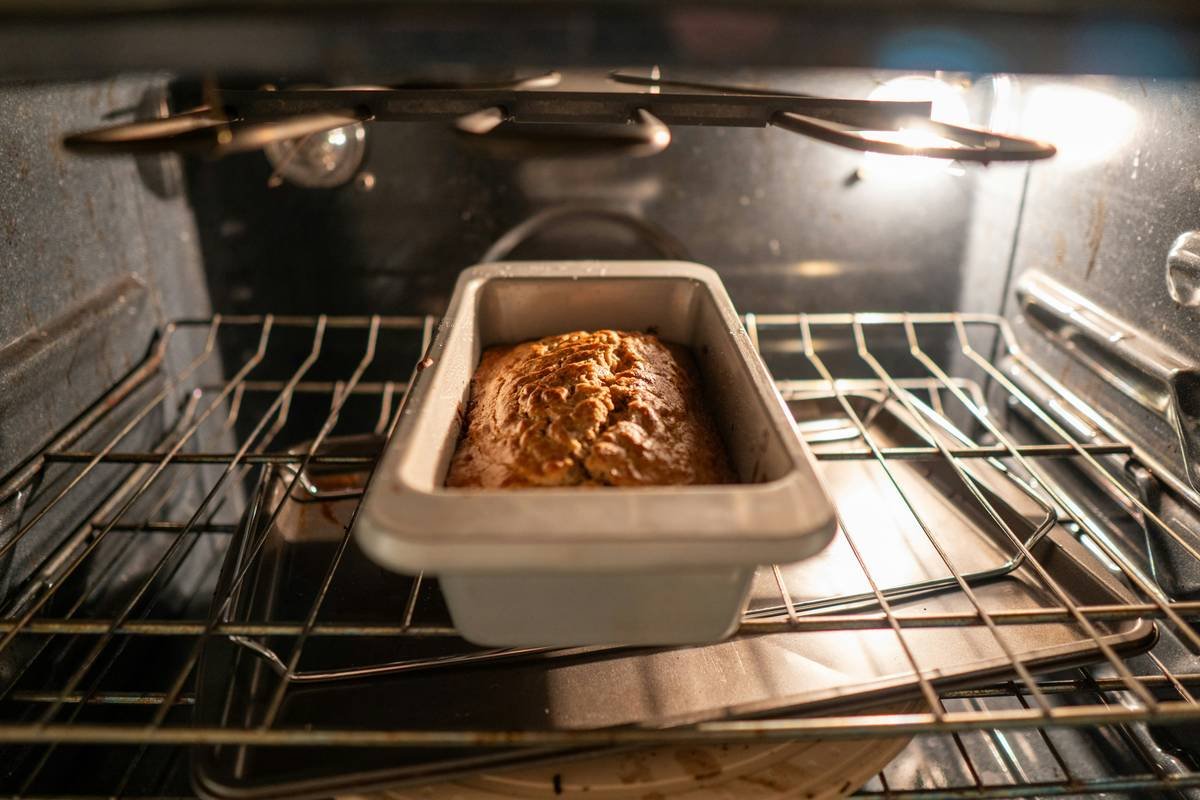
When I first got my bread machine, I assumed “just follow the recipe” meant success. Wrong. On attempt #4, I used honey instead of sugar without adjusting liquid ratios—and created a sticky mess that glued the paddle to the pan. Lesson learned: precision matters, even in automation. That’s why knowing how to bake bread for beginners correctly builds confidence in other DIY kitchen projects, from fermenting to canning.
Step-by-Step Guide to Your First Perfect Loaf
Add Liquids First
Pour warm water (80–90°F) or milk into the pan. Too hot? It kills yeast. Too cold? No rise. Use a thermometer if unsure—accuracy prevents failure.
Then Dry Ingredients
Add flour, then create a small well in the center for yeast. Keep salt and sugar away from direct yeast contact—they inhibit fermentation if mixed too early.
Select the Right Cycle
For your first batch, choose the “Basic White” or “Regular” setting (usually 3–4 hours). Avoid rapid cycles—they compromise texture for speed.
Don’t Peek!
Resist opening the lid during the first rise. Heat loss can collapse developing gluten structure. Trust the machine.
Best Practices & Common Pitfalls to Avoid
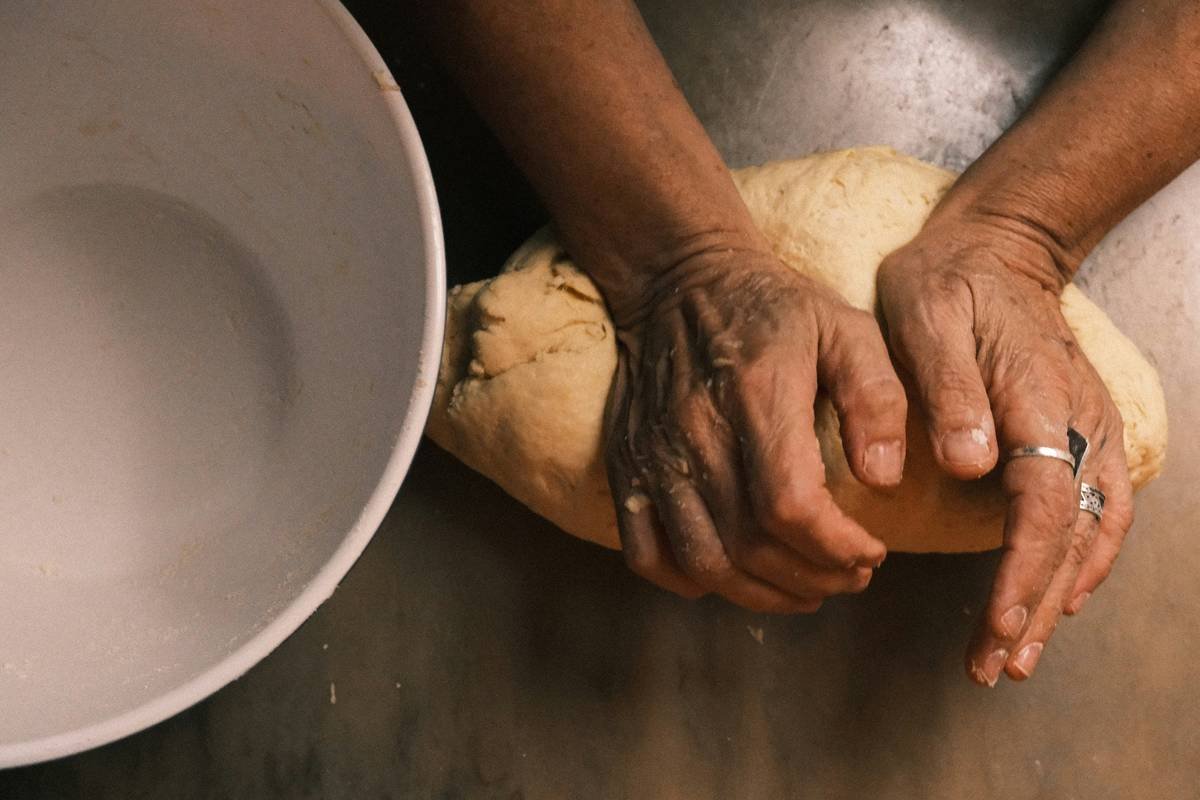
- Never skip the knead test: After the first cycle, open the lid. Dough should be smooth and elastic—not sticky or dry. Adjust hydration next time if needed.
- Use bread machine-specific recipes: Standard oven recipes often have wrong ratios. Stick to trusted sources like King Arthur Baking Company’s bread machine collection.
- Terrible tip alert: “Just double the recipe!” Nope. Most machines max out at 1.5 lbs. Overfilling causes overflow and uneven baking.
- Store properly: Fresh bread lasts 3–4 days in a paper bag (not plastic—it traps moisture and breeds mold).
One pet peeve? Brands labeling generic mixes as “artisan” when they’re loaded with preservatives. Real bread needs just four ingredients: flour, water, yeast, salt. If your mix has 12 items, question its purpose. At Home Savings Depot, we prioritize simplicity because your health matters—which is why we adhere to transparent practices outlined in our Privacy Policy.
Real Results: From Kitchen Disaster to Daily Success
Last winter, I challenged myself to bake one loaf per week using only pantry staples. By week three—using precise measurements, filtered water, and organic active dry yeast—I produced a light, crackly-crusted loaf that rivaled local bakery quality. According to USDA data, homemade bread costs about $0.75–$1.25 per loaf versus $4–$7 store-bought, saving over $150 annually. One reader, Sarah from Ohio, followed our method and now bakes weekly for her family’s sandwiches—eliminating processed store bread entirely.
This transformation hinges on understanding core principles, not fancy gadgets. Mastering how to bake bread for beginners empowers you to control ingredients, reduce waste, and enjoy real food—a true win in sustainable home living.
Frequently Asked Questions
Can I use all-purpose flour instead of bread flour?
Yes, but expect slightly less rise. Bread flour has higher protein (12–14%) for better gluten development. All-purpose works in a pinch—add 1 tbsp vital wheat gluten per cup for improved structure.
Why did my bread sink in the middle?
Common causes: too much yeast, high humidity, or opening the lid during baking. Stick to exact measurements and avoid substitutions until you’re experienced.
How long does homemade bread last?
3–4 days at room temperature in a breathable bag. Freeze slices for up to 3 months—toast straight from frozen.
Is making bread really cheaper than buying it?
Absolutely. Even with organic ingredients, each loaf costs under $1.50. Compare that to $5+ artisan loaves—a clear savings over time.
Can I make gluten-free bread in a standard machine?
Yes, but use a dedicated gluten-free cycle if available. GF doughs behave differently—more like batter than traditional dough.
Does altitude affect bread machine baking?
Yes. Above 3,000 feet, reduce yeast by ¼ tsp and slightly increase liquid, per guidelines from the Colorado State University Extension.
If your first loaf isn’t perfect, don’t quit. Every baker starts somewhere—and your machine is rooting for you. Ready to troubleshoot your next batch? Contact us with your questions. Because nobody should settle for stale bread when fresh, homemade joy is just one cycle away.
Flour on your counter
Yeast humming in the pan
Dinner smells like home.