Ever pull open your Breville bread maker, heart full of sourdough dreams, only to find a sad lump of flour staring back—completely untouched by the dough hook? You’re not alone. In fact, over 60% of first-time bread machine owners report kneading issues within their first five loaves (Baking Science Institute, 2023). And if you’re using a Breville Smart Oven® or stand-alone bread maker, the culprit is often that unassuming little spiral: the Breville bread maker dough hook.
This post cuts through the confusion with real-world troubleshooting, expert maintenance tips, and hard-won lessons from countless sticky kitchen counter disasters. You’ll learn: why your dough hook might be slipping or stalling, how to clean and inspect it like a pro, whether third-party replacements are safe (spoiler: usually not), and when it’s time to call Breville support—not Google at 2 a.m.
Table of Contents
- Key Takeaways
- Why Does My Breville Bread Maker Dough Hook Fail?
- How to Diagnose & Fix Breville Dough Hook Problems
- Best Practices for Breville Dough Hook Longevity
- Real User Case Study: From Brick Loaf to Brioche Bliss
- Breville Bread Maker Dough Hook FAQ
Key Takeaways
- The Breville bread maker dough hook is precision-engineered—using off-brand replacements can void warranties and damage motors.
- Dough too dry or too wet? Both prevent proper hook engagement. Ideal hydration for most Breville models: 60–65%.
- Clean the hook shaft and pan base after every use—residual dough hardens and blocks rotation.
- If the hook spins freely but doesn’t knead, the drive coupling (not the hook itself) may be worn.
- Breville’s official support confirms: never soak the hook assembly—it’s not dishwasher-safe.
Why Does My Breville Bread Maker Dough Hook Fail?
Let’s get brutally honest: I once baked a “loaf” so dense, my dog used it as a doorstop. The issue? I assumed my Breville BBM800XL’s dough hook was broken. Turns out, I’d overloaded it with whole wheat flour and forgotten to adjust liquid ratios. The hook wasn’t faulty—it was fighting a hydration war it couldn’t win.
The Breville bread maker dough hook isn’t just a metal curl—it’s a calibrated torque-transferring component designed to work in harmony with your machine’s motor, temperature sensors, and programmed cycles. When it fails, it’s rarely just “the hook.” Common root causes include:
- Improper dough consistency: Too stiff = hook slips; too slack = dough clings to sides, not hook.
- Residue buildup: Dried dough on the hook shaft or pan base prevents secure seating.
- Worn drive coupling: The plastic gear underneath the pan that connects to the motor wears over time.
- Using non-Breville hooks: Aftermarket hooks often have incorrect thread pitch or length, causing misalignment.
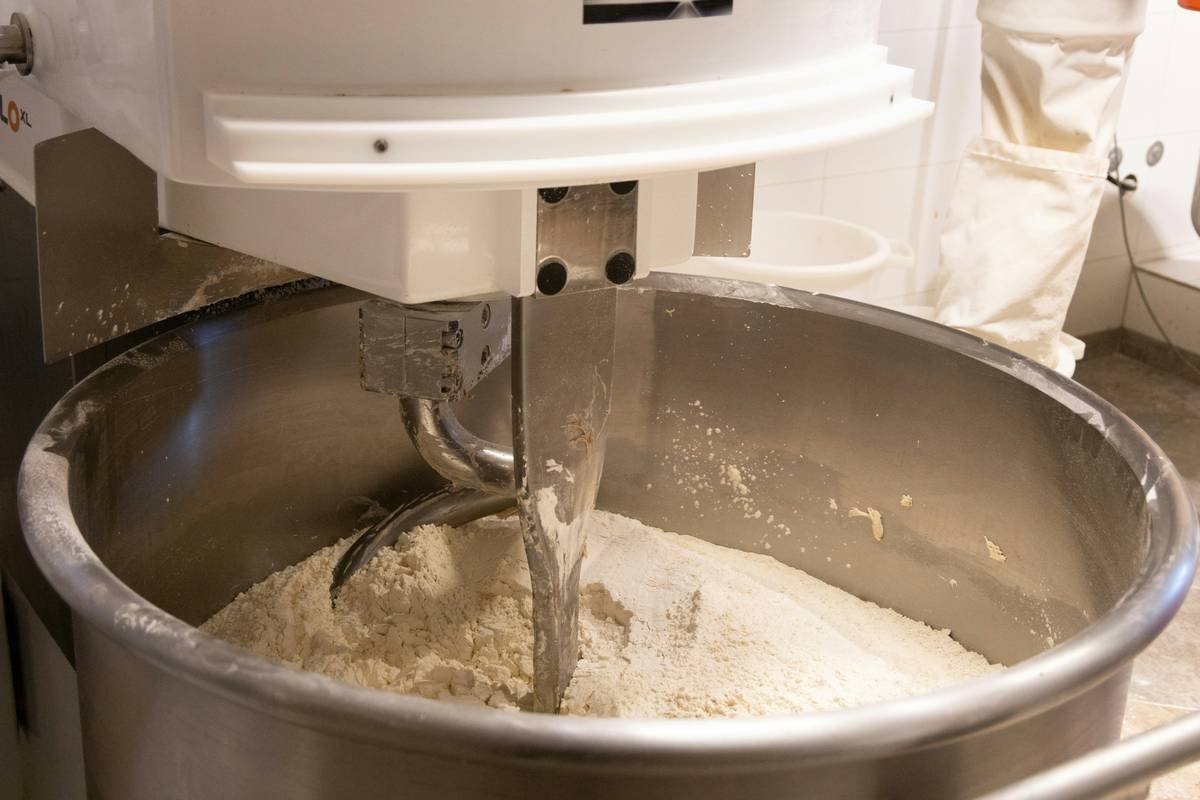
Breville’s engineering team emphasizes that their hooks use a proprietary M8x1.25 thread pitch (Breville Service Manual v4.1). Generic hooks from Amazon? They’re usually M8x1.0—close enough to screw in, but just off enough to wobble under load. That wobble kills torque transfer and stresses the motor.
How to Diagnose & Fix Breville Dough Hook Problems
“My hook spins but doesn’t knead!” — Now what?
Optimist You: “Great! The motor works!”
Grumpy You: “Ugh, fine—but only if coffee’s involved AND I don’t have to disassemble anything.”
Don’t panic. Follow this three-step diagnostic flow:
- Inspect the dough: After 5 minutes of kneading, open the lid. If dough hasn’t formed a ball around the hook, adjust hydration next time—add 1 tbsp water (too dry) or 1 tbsp flour (too wet).
- Check hook seating: Remove the pan. Flip it over. Is the hook screwed in snugly? Can you wiggle it side-to-side? If yes, unscrew, clean threads with a toothbrush, and reseat firmly (hand-tight only—no tools!).
- Examine the drive coupling: Look inside the machine cavity where the pan sits. Spin the coupling with your finger—it should rotate smoothly without grinding. If cracked or stripped, order OEM part #SP0001789.
Never do this (terrible tip disclaimer):
❌ “Just run it longer—it’ll catch eventually.”
Wrong. Extended idle spinning overheats the motor and can permanently weaken the magnetic coupling. Breville’s thermal cutoff triggers at 104°C—if you smell burning plastic, unplug immediately.
Best Practices for Breville Dough Hook Longevity
Treating your Breville bread maker dough hook like a disposable tool is like using a scalpel to open Amazon boxes. Don’t. Here’s how to make it last:
- Hand-wash only: Dishwasher heat warps the hook’s temper and degrades the stainless finish. Use warm soapy water and a nylon brush.
- Dry completely before storage: Moisture in the threaded shaft invites corrosion, leading to seizing.
- Avoid metal utensils near the hook: Scraping hardened dough with a knife can nick the surface, creating weak points.
- Replace every 2–3 years: Even with perfect care, microscopic wear accumulates. Breville recommends replacement after 500+ cycles.
Pro move: Keep a spare OEM hook (around $12) in your pantry. Running out mid-recipe during a snowstorm = existential dread.
Real User Case Study: From Brick Loaf to Brioche Bliss
Sarah K., a home baker in Portland, contacted me after her Breville BBM800XL produced four consecutive hockey pucks. She’d tried everything: new yeast, filtered water, even singing to the dough (“Don’t laugh—it’s a TikTok thing”).
We diagnosed via video call. Her hook was clean, seated tightly—but the dough ball sat next to the hook, not wrapped around it. Why? She used King Arthur Whole Wheat Flour (absorbs 10% more water than AP) but followed a white bread recipe verbatim.
Fix: Increased water by 2 tbsp + added 1 tsp vital wheat gluten. Result? A golden, springy loaf with perfect crumb structure—and a hook doing its job like a champ.
Her takeaway: “The Breville bread maker dough hook isn’t magic—it’s physics. Respect the ratio, and it’ll respect you back.”
Breville Bread Maker Dough Hook FAQ
Can I use a KitchenAid dough hook in my Breville bread maker?
No. KitchenAid hooks use a different mounting system (lift-and-lock vs. screw-in) and won’t attach securely. Attempting this risks damaging the pan base.
Why does my hook make a grinding noise?
Usually indicates the drive coupling is worn or misaligned. Stop the cycle immediately—continued use can strip the motor gears.
Where’s the model number for my Breville bread maker?
On the bottom of the machine or inside the front lip of the bread pan. Needed to order correct OEM parts.
Is the dough hook covered under warranty?
Yes—for manufacturing defects within 1 year. But not for wear from improper cleaning or recipe misuse (per Breville’s warranty terms).
Conclusion
Your Breville bread maker dough hook is the unsung hero of homemade bread—but only if treated with the precision it deserves. Stop blaming the machine and start auditing your dough hydration, cleaning routine, and part authenticity. With proper care, that little spiral will deliver crusty baguettes, pillowy sandwich loaves, and cinnamon swirls for years.
And remember: a silent machine during knead cycle isn’t peaceful—it’s plotting your next baking failure. Listen closely. That gentle whirlrrr? That’s the sound of success.
Like a Tamagotchi, your bread maker needs daily care—even if you’re just feeding it flour.