You knead for 15 minutes. Your arms burn. Flour sticks to your forearms like wet cement. And yet—the dough still feels lifeless, underdeveloped, dense. You followed the recipe. So why does your bread collapse like a deflated balloon? Because you’re doing it by hand when your stand mixer’s dough hook is sitting idle. Making bread using dough hook isn’t cheating—it’s physics meeting practicality.
Why Hand-Kneading (and Weak Mixers) Fail Most Home Bakers
Most tutorials romanticize hand-kneading as “connecting with your dough.” Poetry won’t develop gluten. Consistency will. And human arms fatigue—fast. After just 8–10 minutes, most bakers under-mix. The result? Poor oven spring, gummy crumb, or worse—a brick masquerading as sourdough.
Even worse: cheap mixers with flimsy hooks spin lazily while the dough clings to the sides, barely moving. It’s not mixing—it’s theater. Real gluten development requires steady torque at low speed for 8–12 uninterrupted minutes. Few home setups deliver that… unless you know what to look for.
Making Bread Using Dough Hook: A No-Fluff Step-by-Step Protocol
Forget vague advice. Here’s exactly how to leverage your dough hook without overworking or under-mixing:
Prep Like a Pro: Hydration & Timing Matter First
Start with room-temperature water and fresh yeast. Cold ingredients delay activation. If your recipe calls for 65% hydration, stick to it—high-hydration doughs (>70%) often slip off standard C-shaped hooks. Spiral hooks handle slack dough better, but most home mixers use C-hooks. Adjust accordingly.
Mix Low, Mix Slow—Then Stop
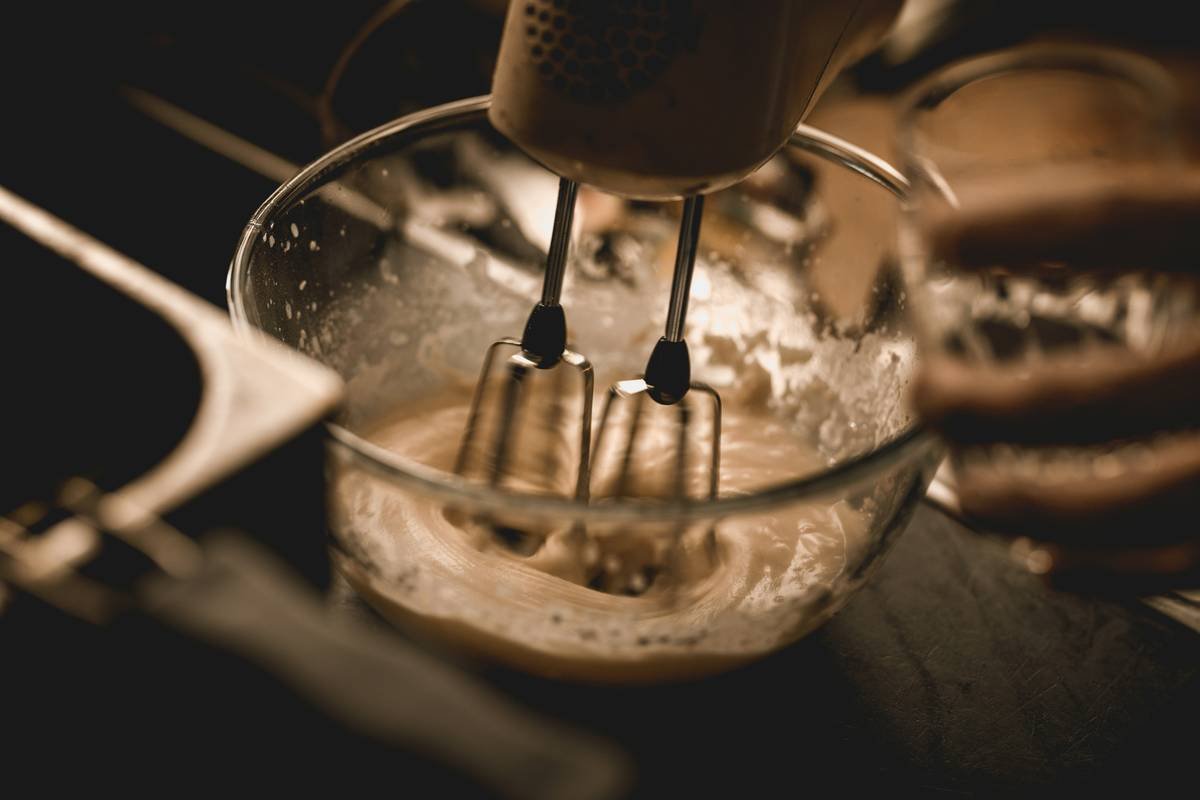
Attach the dough hook. Add liquids first, then flour. Start on speed 2 (or “stir”) for 1 minute to combine. Then bump to speed 4—and set a timer for 8 minutes. Walk away. Don’t poke. Don’t peek. The machine needs rhythm.
The Windowpane Test—Don’t Skip This
After 8 minutes, pinch off a golf-ball-sized piece. Gently stretch it between your fingers. If it forms a translucent membrane without tearing instantly—you’ve got full gluten development. If it rips like paper, mix another 90 seconds. Overmixing destroys structure; undermixing guarantees failure.
| Method | Time Required | Gluten Development Consistency | Risk of Over/Under-Mixing |
|---|---|---|---|
| Hand-Kneading | 12–20 min | Low (varies by baker fatigue) | High under-mixing risk |
| Dough Hook (Quality Stand Mixer) | 8–10 min | High (consistent torque) | Moderate (if timer used) |
| Bread Machine (Dough Cycle) | 15–20 min | Moderate (small bowl limits motion) | Low—but texture can be dense |
The Industry Secret: Bakeries Don’t Use Dough Hooks—Here’s What They Do Instead
Here’s the reality: commercial bakeshops rarely use planetary mixers with dough hooks for artisan bread. They use spiral mixers—machines engineered solely for dough, with rotating bowls and fixed hooks that mimic hand motion without overheating. But you don’t need $5,000 equipment.
The hack? Pulse-and-rest technique. Mix 2 minutes on speed 4, rest 3 minutes, repeat twice. This mimics autolyse—letting enzymes hydrate flour before mechanical stress—yielding softer crumb and better extensibility. Most home bakers jam the mixer and walk away. Pros build in pauses. Try it once. You’ll taste the difference.
Frequently Asked Questions
Can I use a dough hook for sourdough?
Yes—but only during initial mix-in. Never use it for bulk fermentation or final shaping. Sourdough’s fragile structure collapses under prolonged mechanical action.
Why does my dough climb up the hook?
Your speed’s too high or hydration’s too low. Drop to speed 3 and add 1 tsp water. Dough should cling to the bottom third of the hook, not ride upward.
Is a spiral hook better than a C-hook for making bread using dough hook?
For wet doughs, yes. Spiral hooks grip better and reduce slippage. But C-hooks work fine for standard sandwich bread (60–65% hydration).