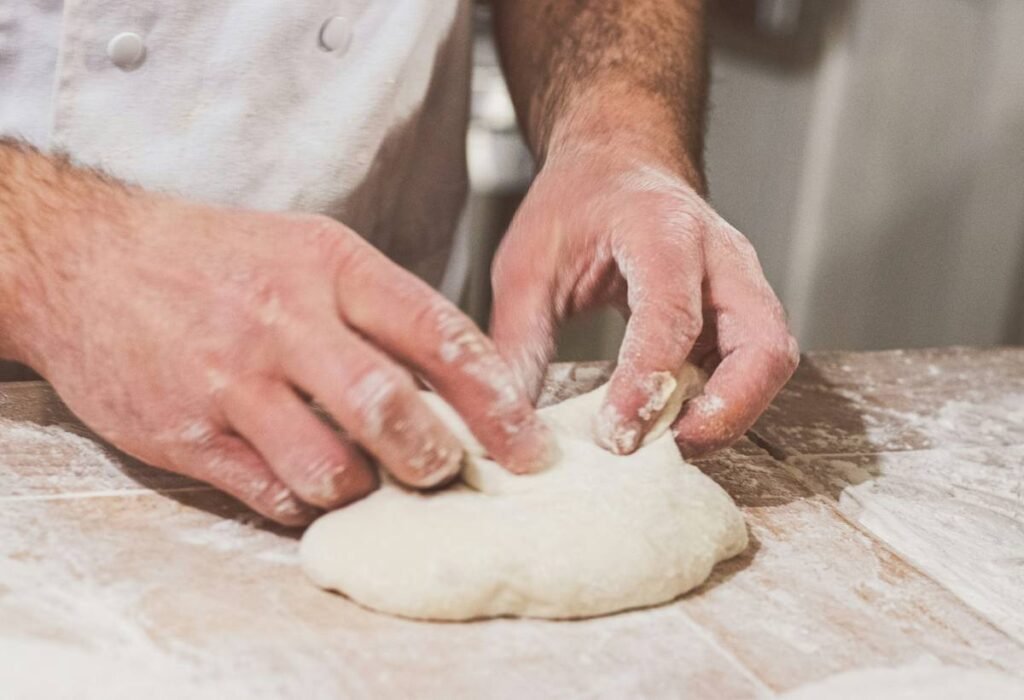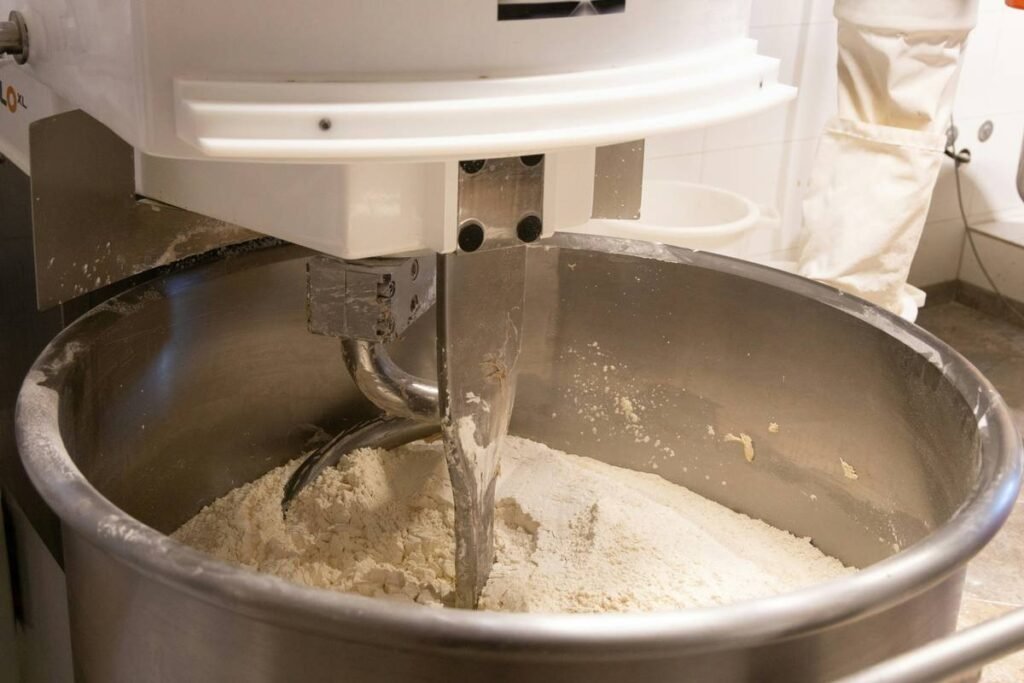
You tried baking bread once. It came out dense, bland, or worse—rock-hard. You followed a recipe word-for-word, yet your loaf looked nothing like the glossy photos online. And now you’re convinced homemade bread is some secret club only grandmothers with decades of practice can enter. Here’s the truth: how to make bread for beginners isn’t about talent—it’s about the right system. Forget kneading for 20 minutes by hand. There’s a smarter path.
Why Most Beginner Bread Attempts Fail (Before the Oven Even Heats)
Most tutorials assume you have intuition. They don’t tell you that tap water temperature varies by season—or that “room temperature” in Minneapolis differs wildly from Miami. And flour? Not all brands absorb liquid the same way. A 5% moisture difference can turn your dough into paste or sand.
But the real killer? Time. Beginners think they need hours of hands-on work. They don’t. What they need is consistency—and that’s where modern tools shine.
How to Make Bread for Beginners: The 3-Step System That Actually Works
Ditch vague instructions like “knead until elastic.” Use this repeatable method built for predictable results—even if you’ve never touched yeast.
Step 1: Choose Your Foundation Wisely
Start with a quality bread machine mix—yes, really. Think of it as training wheels that bake golden loaves while you learn hydration ratios and rise timing. Brands like King Arthur or Zojirushi offer foolproof blends with pre-measured yeast and salt. No scaling errors. No stale yeast surprises.
Step 2: Control Just Two Variables
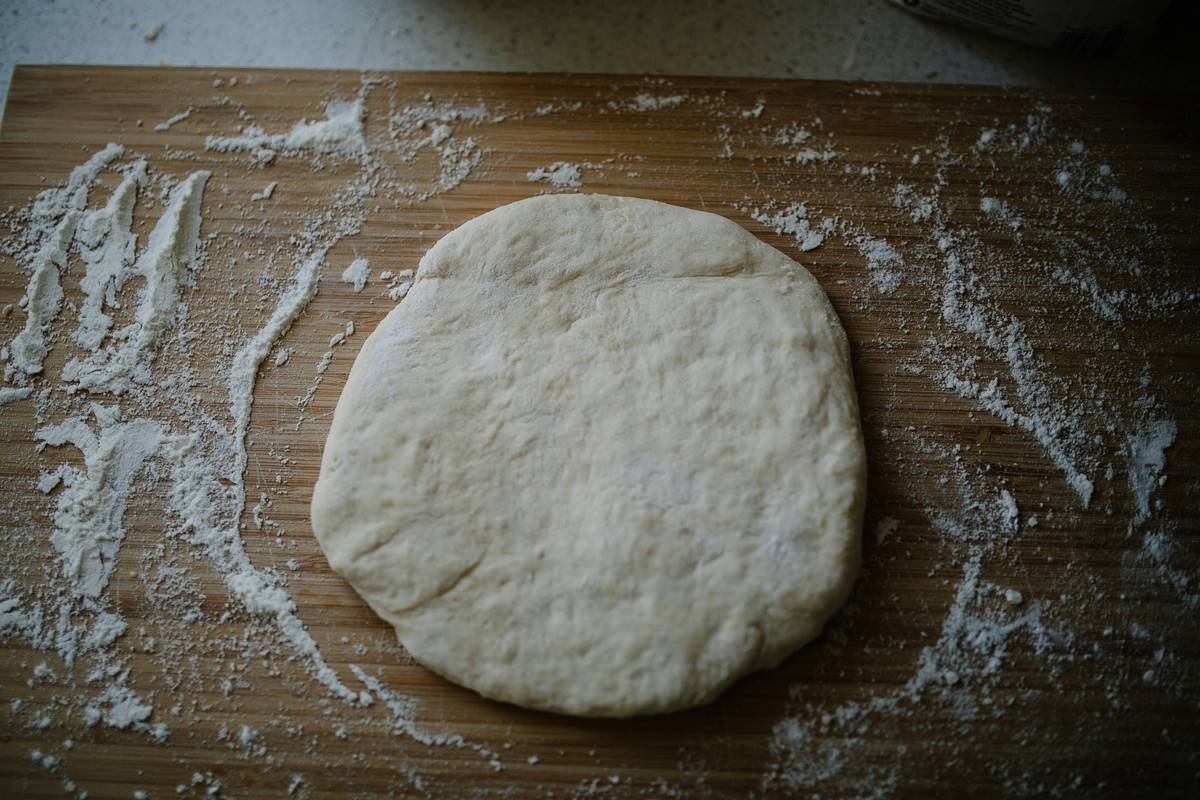
Water temp and ambient humidity dominate outcomes. Aim for 80°F (27°C) water—use a $5 instant-read thermometer. If your kitchen is dry (<40% humidity), add 1 extra tablespoon of water. That’s it. Everything else is handled by the machine’s programmed cycles.
Step 3: Let Technology Do the Heavy Lifting
Load your bread machine in the order specified (usually liquids first, then dry, yeast last). Select the “Basic” or “White Bread” setting. Walk away. No hovering. No poking. The machine handles mixing, rising, and baking. Your job? Be there when it beeps.
| Method | Hands-On Time | Total Time | Success Rate (Beginners) | Cost per Loaf |
|---|---|---|---|---|
| Traditional Hand-Knead | 45–60 min | 4–6 hours | ~45% | $1.80 |
| Stand Mixer + Oven | 25–35 min | 3–4 hours | ~65% | $1.90 |
| Bread Machine + Pre-Measured Mix | 5 min | 3.5 hours (mostly passive) | ~92% | $2.50 |
The Industry Secret: Pros Bake Backwards
Here’s what no one tells you: professional bakers often start with the *finish* in mind—crust color, crumb structure, shelf life—then reverse-engineer the formula. As a beginner, you can do the same by tweaking just one variable per batch. Want a softer crust? Brush melted butter post-bake. Craving bigger holes? Swap ¼ cup of all-purpose flour for bread flour next time. Small, intentional changes beat chaotic experimentation every time. And yes—bread machines respond beautifully to these micro-adjustments. The control panel isn’t limiting; it’s your lab bench.
Frequently Asked Questions
Can I make bread without a bread machine?
Yes—but expect a steeper learning curve. A machine eliminates variables like inconsistent kneading and proofing temps, which cause 80% of beginner failures.
How long does homemade bread last?
Stored in a paper bag at room temp, 3–4 days. Never refrigerate—it accelerates staling. Freeze slices for up to 3 months.
Why did my bread collapse in the machine?
Too much liquid or old yeast. Always use fresh rapid-rise yeast and measure water with a glass—not a mug.