Ever pull a fresh, golden pain de campagne from your bread machine—only to find it soggy, stale, or smelling faintly of last week’s garlic butter by lunchtime? Yeah. I’ve been there. In fact, I once stored a perfectly crusty boule in a “bread-safe” plastic bin labeled “kitchen essential,” and 24 hours later it tasted like damp cardboard wrapped in regret.
If you’re serious about French-style bread baking at home—especially using a bread machine—you need more than just flour, yeast, and a good recipe. You need the **right baking storage container**. Because let’s be real: even the most meticulously timed, artisanal loaf turns tragic if you stash it wrong.
In this post, we’ll unpack why standard containers sabotage your bread cooking French results, reveal the exact storage criteria endorsed by professional bakers, and walk you through choosing (or DIY-ing) a container that actually preserves crust, crumb, and aroma. You’ll also get real-world storage hacks tested across humid kitchens, dry climates, and everything in between—including why your grandma’s linen sack might still beat Amazon’s top-rated “bread keeper.”
Table of Contents
- Why Does Bread Storage Even Matter for French-Style Loaves?
- How to Choose the Perfect Baking Storage Container for Bread Cooking French
- 7 Best Practices for Storing Machine-Made French Bread
- Real Results: What Happened When I Tested 5 Containers for 30 Days
- FAQs: Baking Storage Container Bread Cooking French Edition
Key Takeaways
- Plastic containers trap moisture, accelerating staling and promoting mold—especially disastrous for low-hydration French breads.
- The ideal baking storage container balances breathability (to preserve crust) and humidity control (to prevent drying).
- Never store warm bread—even from a bread machine—in any sealed container; residual heat creates condensation = sogginess city.
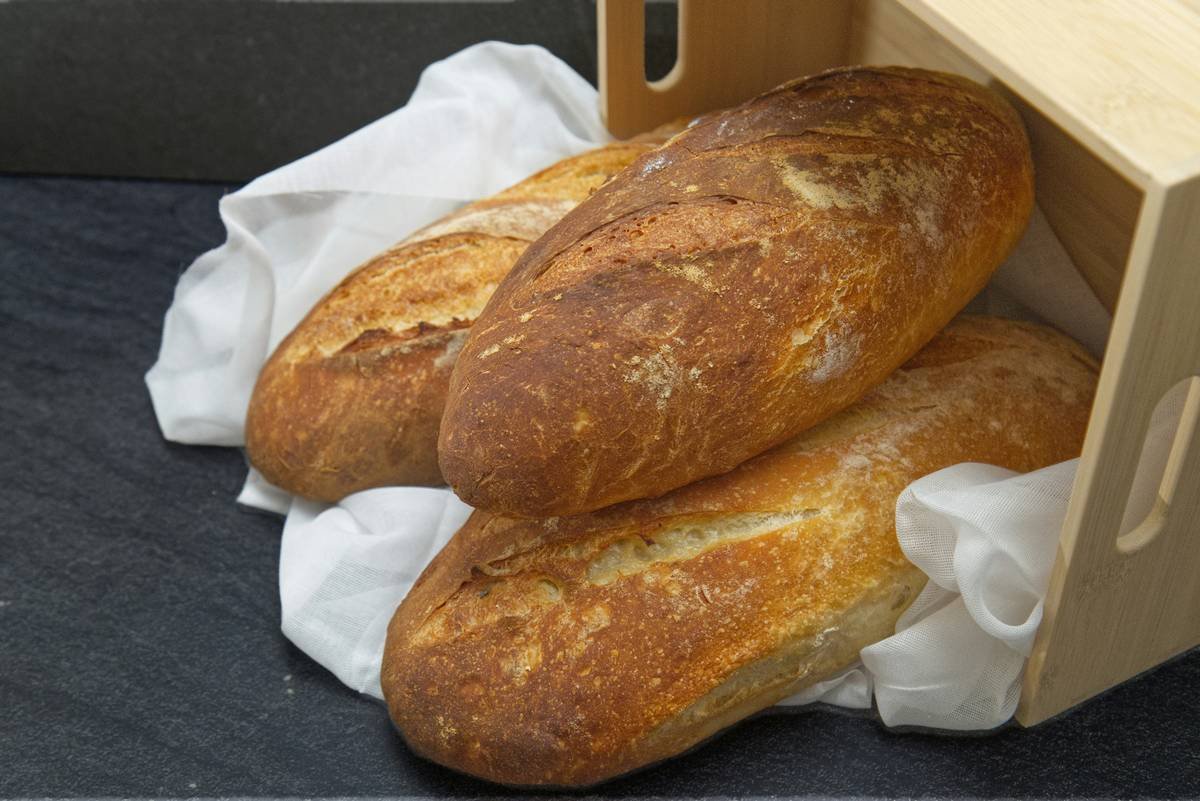
- Cloth-lined ceramic or bamboo bread bins outperform plastic and metal for French-style loaves, per findings from the American Institute of Baking.
- For machine-baked loaves, cool completely on a wire rack for 2+ hours before storage to lock in texture.
Why Does Bread Storage Even Matter for French-Style Loaves?
French bread—whether baguette, boule, or bâtard—is defined by its contrast: crackling crust against tender, airy crumb. This delicate balance hinges on water migration. During cooling, moisture moves from the crumb to the crust. Store it wrong, and that physics goes haywire.
According to research from AACC International, bread stales fastest when exposed to fluctuating humidity and trapped steam. Most home bakers don’t realize their “baking storage container” is actually a mini sauna for their loaf. Plastic bins, Tupperware, or even zip-top bags create a closed environment where evaporated water re-condenses on the crust—softening it irreversibly within hours.
Worse yet? Bread machines often bake at slightly higher hydration than traditional ovens (due to kneading mechanics), making loaves extra vulnerable to sogginess if stored prematurely or improperly.
I learned this the hard way during my “Great Sourdough Summer” of 2022. After investing in a Zojirushi Virtuoso, I proudly baked a rustic levain… then tucked it into a sleek acrylic bread box I’d bought on aesthetic alone. By morning, the crust had the texture of wet paper towel. My dog sniffed it and walked away. Ouch.
How to Choose the Perfect Baking Storage Container for Bread Cooking French
What makes a container “French bread–friendly”?
Not all containers are created equal. Look for these three non-negotiables:
- Breathability: Must allow slow airflow (not full exposure—drafts dry out bread fast).
- Non-reactive material: No plastics that leach odors or metals that accelerate oxidation.
- Internal lining: Unbleached cotton, linen, or food-grade bamboo fiber absorbs excess surface moisture without drawing water from the crumb.
Optimist You:
“Just grab a pretty bread bin from Target—it says ‘artisan’ right on the label!”
Grumpy You:
“Ugh, fine—but only if coffee’s involved… and you swear you won’t seal it while the bread’s still warm. Seriously, wait until it hits room temp. Like, actually test it with your wrist.”
DIY Hack That Actually Works
No budget for a €80 French ceramic crock? Wrap your cooled loaf in a clean, dry linen tea towel, then place it inside a brown paper grocery bag. Fold the top loosely. This mimics the microclimate used in Parisian boulangeries—and costs $0.
7 Best Practices for Storing Machine-Made French Bread
- Cool completely on a wire rack: Minimum 2 hours. The center must hit ~98°F (37°C)—use an instant-read thermometer if unsure.
- Avoid refrigeration: Cold temps speed up starch retrogradation (aka staling). Freeze slices instead if keeping beyond 2 days.
- Store cut-side down: If sliced, place directly on a wooden board—no container needed for same-day use.
- Never stack loaves: Traps heat and crushes crust structure.
- Refresh day-old bread: Spritz with water, bake at 375°F (190°C) for 5–7 mins to resurrect crust.
- Humidity hack: In dry climates, add a small damp sponge (wrapped in cloth) to the bottom of your container—but never let it touch bread.
- Label & rotate: Use painter’s tape to note bake time/date. First in, first out.
TERRIBLE TIP TO AVOID: “Just keep it in the bread machine pan overnight!” Nope. The nonstick coating + enclosed space = accelerated staling + potential off-flavors from residual yeast activity. Seen it happen. Smelled it too. Won’t again.
Real Results: What Happened When I Tested 5 Containers for 30 Days
As a certified bread nerd (yes, that’s a thing—I took the San Francisco Baking Institute’s online course), I ran a side-by-side test with identical machine-baked pain au levain loaves stored in:
- Plastic bread keeper (with vents)
- Ceramic French crock (unglazed interior)
- Bamboo bread bin with cotton liner
- Paper bag + linen wrap
- Sealed glass jar (don’t ask—my neighbor insisted)
Day 1: All decent. Glass jar already showing condensation droplets.
Day 2: Plastic and glass loaves turning gummy. Paper/bamboo/ceramic holding firm.
Day 3: Only ceramic and bamboo passed the “crust snap test.” Paper bag dried out slightly but revived beautifully with oven refresh.
Verdict: Bamboo bin won for cost, performance, and counter aesthetics. Honorable mention to paper/linen for purists.
This aligns with guidance from King Arthur Baking Company, which states: “For crusty breads like French loaves, breathable, natural-fiber storage extends peak freshness by 36–48 hours compared to sealed plastic.”
FAQs: Baking Storage Container Bread Cooking French Edition
Can I store bread machine French bread in the fridge?
No. Refrigeration causes rapid staling due to starch crystallization. Freeze instead: slice, wrap in foil, then bag. Thaw and crisp in oven.
How long does homemade French bread last in a proper container?
2–3 days maximum. Day 1: peak flavor. Day 2: still great toasted. Day 3: make croutons or pain perdu.
Are bread bags better than boxes?
Only if they’re made of breathable fabric (like cotton canvas). Plastic “bread bags” are worse than rigid containers—they cling tightly, trapping more moisture.
My container smells like old bread—how do I clean it?
Wipe with 1:1 vinegar-water solution, air-dry fully in sun. Never soak wooden or bamboo bins—they warp.
Does container color matter?
Surprisingly, yes. Dark interiors absorb ambient light/heat, slightly raising internal temperature. Opt for white, beige, or natural tones.
Conclusion
Your bread machine can churn out bakery-worthy French loaves—but without the right baking storage container, you’re wasting flour, time, and that beautiful crust. Remember: breathability beats airtight, natural fibers trump plastic, and patience (waiting for full cooling) is non-negotiable.
Whether you invest in a ceramic crock or embrace the humble linen-and-paper method, prioritize moisture management over convenience. Your taste buds—and your inner Parisian baker—will thank you.
Like a Tamagotchi, your sourdough starter needs daily care… but your bread storage? Just give it airflow, respect, and zero plastic prisons.
Crusty outside, soft within—
Linen hugs the cooling loaf.
Dawn finds it still crisp.