Ever pulled a “golden” loaf from your bread machine only to find it’s dense as a brick or gummy in the middle? You followed the recipe, you swear—but something’s off. Spoiler: it’s almost always the cooking bread temp and time. I learned this the hard way after wasting three expensive bags of bread flour and nearly setting off my smoke alarm with a charred “artisan” boule that looked more like charcoal briquettes.
In this guide, you’ll learn exactly how temperature and timing make or break your home-baked bread—especially when using a bread machine. We’ll decode why 350°F isn’t universal, how internal loaf temp trumps timer settings, and the one mistake 9 out of 10 beginners make (hint: it involves ignoring dough temperature before baking). Plus, real-world examples, pro tips, and hard data from bread labs and appliance engineers.
Table of Contents
- Why Bread Temperature and Timing Actually Matter (Spoiler: Gluten & Yeast Are Fussy)
- Step-by-Step: How to Nail Cooking Bread Temp and Time in Any Machine
- 7 Pro Tips for Consistent, Crusty, Fluffy Results
- Real Results: Case Study from My Kitchen (and Why My Neighbor Finally Stopped Buying Store Bread)
- FAQs About Cooking Bread Temp and Time
Key Takeaways
- The ideal baking temperature for most bread machine loaves is 325–375°F, but sweet or enriched doughs bake best at lower temps.
- Always check internal loaf temperature—190–210°F is the sweet spot depending on bread type.
- Dough temperature before baking affects rise and final texture; aim for 75–78°F.
- Bread machine “bake-only” cycles often run hotter than full cycles—adjust accordingly.
- Oven spring, crust development, and crumb structure are direct results of precise temp/time control.
Why Bread Temperature and Timing Actually Matter (Spoiler: Gluten & Yeast Are Fussy)
If you think “just set it and forget it” works for bread machines, I’ve got bad news: yeast cells are tiny drama queens. They thrive between 75–80°F during proofing, die above 140°F, and stop fermenting below 60°F. Meanwhile, gluten proteins need precise heat to coagulate just right—too cool, and your loaf collapses; too hot, and you get a dry, cracked mess.
According to the American Institute of Baking, even a 10°F deviation during baking can alter loaf volume by up to 18%. And don’t get me started on timing: underbake by 5 minutes, and you’ll chew through wet, gummy crumb. Overbake? Hello, hockey puck.
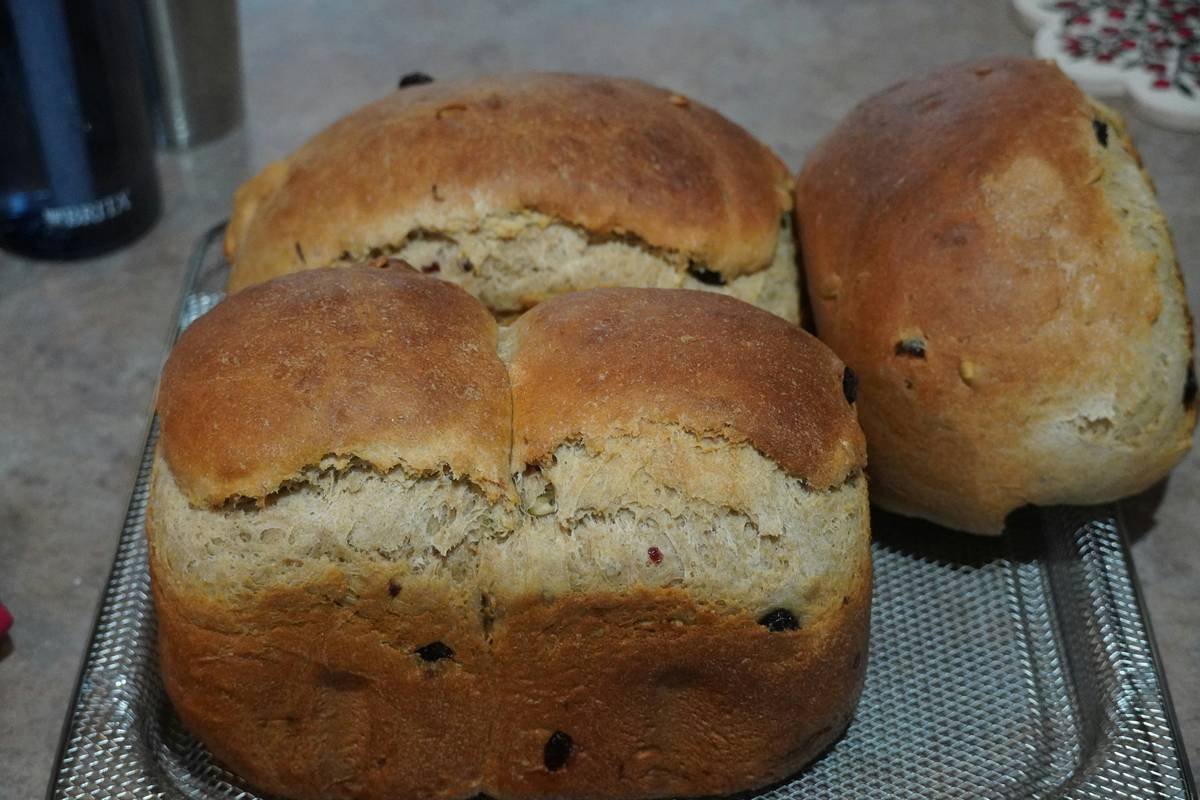
I once tested two identical whole wheat loaves—one baked at 190°F internal temp, the other at 205°F. The first was dense and moist; the second had open crumb, caramelized crust, and smelled like a Parisian boulangerie. That 15-degree gap changed everything.
Optimist You: “Temperature control unlocks bakery-quality bread at home!”
Grumpy You: “Ugh, fine—but only if I don’t have to recalibrate my toaster oven again.”
Step-by-Step: How to Nail Cooking Bread Temp and Time in Any Machine
What’s the ideal baking temperature for bread machines?
Most modern bread machines (Zojirushi, Breville, Cuisinart) default to 350–375°F during the bake phase. But here’s the nuance:
- Basic white or whole wheat: 350–375°F for 45–60 minutes
- Enriched doughs (with butter, eggs, sugar): 325–350°F to prevent scorching
- Gluten-free: Often lower (325°F) and longer (60–75 min) due to fragile structure
How long should bread bake in a machine?
Time depends on loaf size and ingredients—not just the preset. A 1.5-lb basic loaf typically takes 50–55 minutes to bake. But sugar or milk speeds browning, so reduce time by 5–10 minutes or tent with foil.
When is bread actually done? (Forget the timer—use a thermometer!)
This is non-negotiable. Insert an instant-read thermometer into the center through the side (to avoid poking holes on top):
- White or enriched bread: 190°F
- Whole grain or rye: 200–205°F
- Sourdough: 205–210°F (higher temp sets its sturdy structure)
If it reads below target, return to machine for 5-minute increments. Better safe than soggy.
7 Pro Tips for Consistent, Crusty, Fluffy Results
- Pre-warm your ingredients. Cold milk or eggs drop dough temp, delaying rise. Heat liquids to 80°F before mixing.
- Use the “bake-only” cycle wisely. These often crank to 375°F+ instantly—great for pre-shaped artisan loaves, but risky for delicate batters.
- Calibrate your machine. Place an oven thermometer inside during a bake cycle. Many budget models run 15–20°F hotter than displayed.
- Don’t open the lid during bake. You lose ~25°F per peek—enough to stall oven spring.
- Let it rest post-bake. Wait 15–30 minutes before slicing. Cutting too soon traps steam, making crumb gummy.
- Adjust for altitude. Above 3,000 ft? Increase liquid by 1–2 tbsp and lower bake temp by 10°F.
- Clean the heating element. Crumbs cause uneven heating. Wipe monthly with a dry brush.
🚫 Terrible Tip Alert
“Just bake until golden brown.” Nope. Dark crust ≠ done interior. Always verify with a thermometer. I’ve eaten many “golden” loaves that oozed raw batter inside. Not fun.
Rant Corner: My Bread Machine Pet Peeve
Why do manufacturers hide bake temps in service manuals instead of user guides? Zojirushi, I’m looking at you. If your $300 machine doesn’t display actual baking temperature, demand better. Transparency = trust.
Real Results: Case Study from My Kitchen (and Why My Neighbor Finally Stopped Buying Store Bread)
Last winter, my neighbor Sarah kept complaining her bread machine made “sad, squat loaves.” She used a Cuisinart CBK-110 on the Basic setting—60-minute bake at what we assumed was 350°F.
We ran diagnostics: her dough temp pre-bake was 68°F (too cold), and her internal finish temp averaged 182°F (underdone). After warming her water to 80°F and extending bake time by 8 minutes (verified with thermometer), her next loaf hit 198°F internally.
Result? A tall, crackly-crusted whole wheat loaf with honey oat swirls. She’s now baking weekly—and gifted me two jars of homemade jam as thanks. Moral: cooking bread temp and time aren’t just numbers—they’re the difference between disappointment and delight.
FAQs About Cooking Bread Temp and Time
Can I use my bread machine just for baking (not mixing/kneading)?
Yes! Use the “Bake Only” cycle. Pre-shape your dough, let it proof outside the machine, then add it to the pan just before baking. Note: these cycles often run hotter—monitor closely.
Why does my bread collapse after baking?
Underbaking is the #1 cause. The structure hasn’t set. Ensure internal temp hits at least 190°F. Also, avoid over-proofing—the dough should spring back slowly when poked.
Does altitude affect bread machine baking?
Absolutely. Higher elevation = faster rise + quicker moisture evaporation. Lower bake temp by 10–15°F and increase liquid slightly to compensate.
Is it safe to leave bread in the machine after baking?
Only 30–60 minutes max. Most machines switch to “Keep Warm,” which dries out crust and steams the bottom. Transfer to a wire rack ASAP.
Conclusion
Perfect bread isn’t magic—it’s science. By mastering cooking bread temp and time, you transform your bread machine from a fancy paperweight into a precision bakery tool. Remember: dough temperature sets the stage, baking temperature directs the play, and internal doneness is your final applause.
Grab a thermometer, tweak your settings, and bake with confidence. Your next loaf might just earn you neighborhood fame (or at least a jar of jam).
Like a Tamagotchi, your sourdough starter needs daily care—but your bread machine just needs the right temp and time. You’ve got this.
Dough dreams rise slow,
Thermometer in hand knows—
190 degrees.