You followed the recipe to the letter. You proofed your dough perfectly. But your loaf came out pale, soft, and lacking that bakery-style crunch. Frustrating, right? Here’s the issue: most home bakers obsess over hydration and yeast—but completely ignore how they finish the bake. The fix isn’t exotic. It’s simple. Start cooking bread uncovered.
The Hidden Flaw in Covered Baking (And Why Steam Isn’t Always Your Friend)
Conventional wisdom says trap steam early for oven spring—then vent or uncover later. Makes sense. But too many people leave lids on too long. Or worse—they never remove them at all.
Result? A soggy crust that never sets. Steam is essential in minutes 0–15. After that? It becomes your enemy. Moisture lingers, inhibiting Maillard reaction—the chemical magic that turns pale dough into golden, crackling crust.
And if you’re using a Dutch oven without removing the lid halfway through? You’re baking steamed bread—not artisan bread.
How to Master Cooking Bread Uncovered: A Practical Step-by-Step
Timing matters more than tools. But the right gear helps. Focus on heat retention and airflow—not gadgets.
Preheat Like a Pro (Not an Amateur)
Your oven must hit—and hold—475°F (246°C) before the dough even sees it. Cold starts kill crust development. Place your baking vessel (Dutch oven, stone, or steel) inside during preheat. Let it soak up heat for a full 45 minutes.
Initial Steam Phase: Keep It Short
Cover for only the first 15–20 minutes. This gives you oven spring without drowning your surface. After that? Remove the lid—immediately. No hesitation.
Finish Strong with Dry Heat
The final 20–25 minutes should be completely uncovered. That dry, radiant heat drives off surface moisture and caramelizes sugars. That’s where flavor—and texture—are born.
| Method | Cover Duration | Final Crust Result | Risk of Sogginess |
|---|---|---|---|
| Dutch Oven (lid on entire time) | 45 min | Soft, pale, no crunch | High |
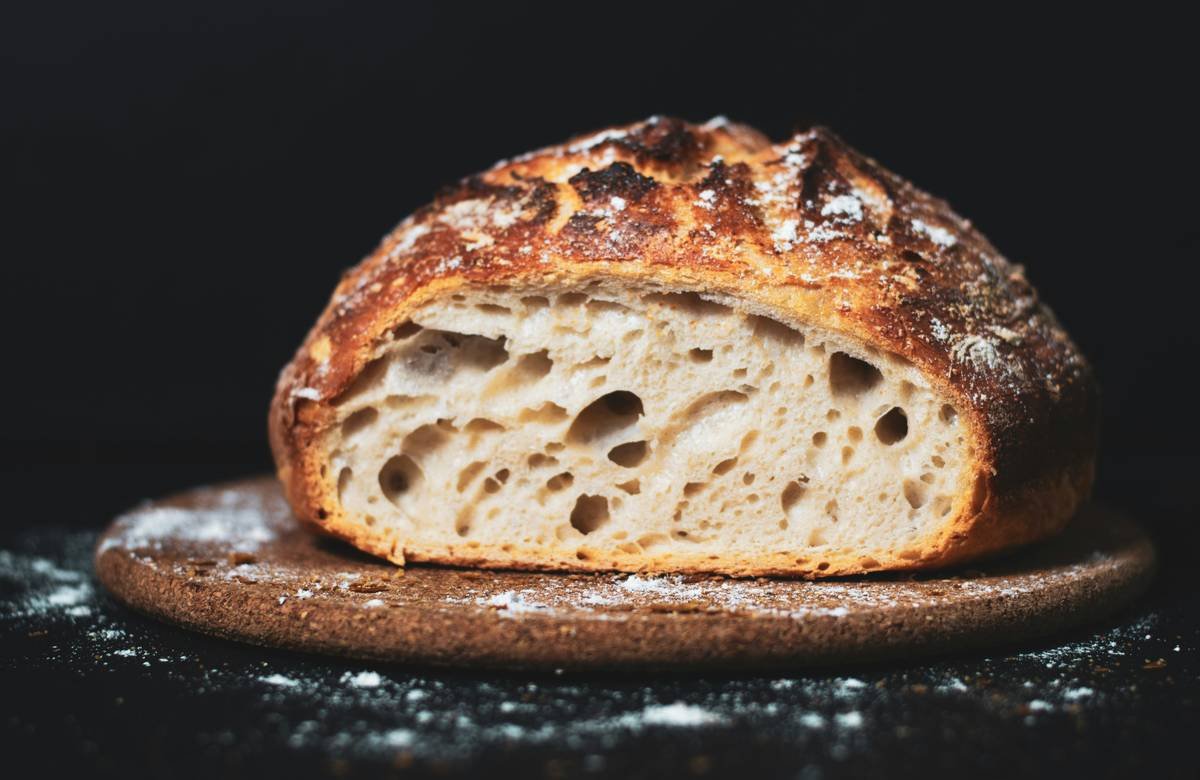
| Dutch Oven + cooking bread uncovered last 20 min | 25 min | Deep amber, crisp, resonant snap | Low |
| Baking Steel + Spray Bottle Steam | None (uncovered from start) | Thin but crisp—if oven is hot enough | Very Low |
| Loaf Pan with Foil Tent | First 20 min only | Moderate crust, softer sides | Medium |
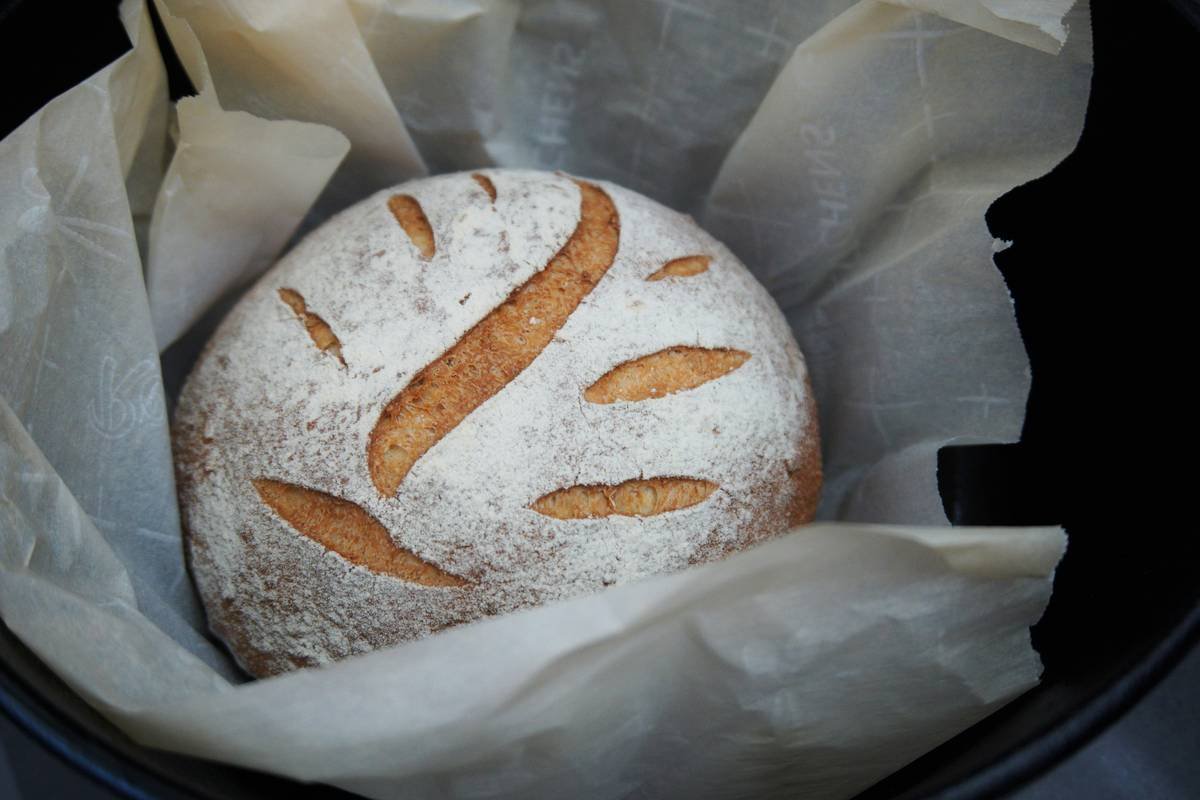
The Industry Secret: Bakeries Don’t Rely on Lids—They Rely on Heat Mass
Here’s what no one tells you: commercial ovens don’t use Dutch ovens. They use thick stone decks or refractory tiles that retain insane amounts of heat. When a baker loads a wet dough onto that surface, instant steam forms—then vanishes as the deck dries. The crust sets fast because ambient humidity drops rapidly.
At home, your best mimic? Preheat a thick baking steel or quarry tile for nearly an hour. Then—cook uncovered from minute one. No lid needed. Just brutal, consistent radiant heat. Yes, your oven spring might be slightly less dramatic. But your crust? Unbeatable. And let’s be honest—that’s what you’re after.
Think about it: every great bakery loaf you’ve ever bought was finished in dry heat. Not trapped in its own vapor.
Frequently Asked Questions
Can I cook bread uncovered from the very beginning?
Yes—if your oven holds steady heat and you’ve preheated a thermal mass (steel/stone). Skip the lid entirely for lean doughs like baguettes or ciabatta.
Does cooking bread uncovered dry out the crumb?
No. Crumb moisture comes from dough hydration and bake time—not surface exposure. Overbaking dries bread, not uncovering it.
What if my crust browns too fast when uncovered?
Lower oven temp by 25°F, not cover it back up. Better to extend bake time at lower heat than reintroduce steam late.